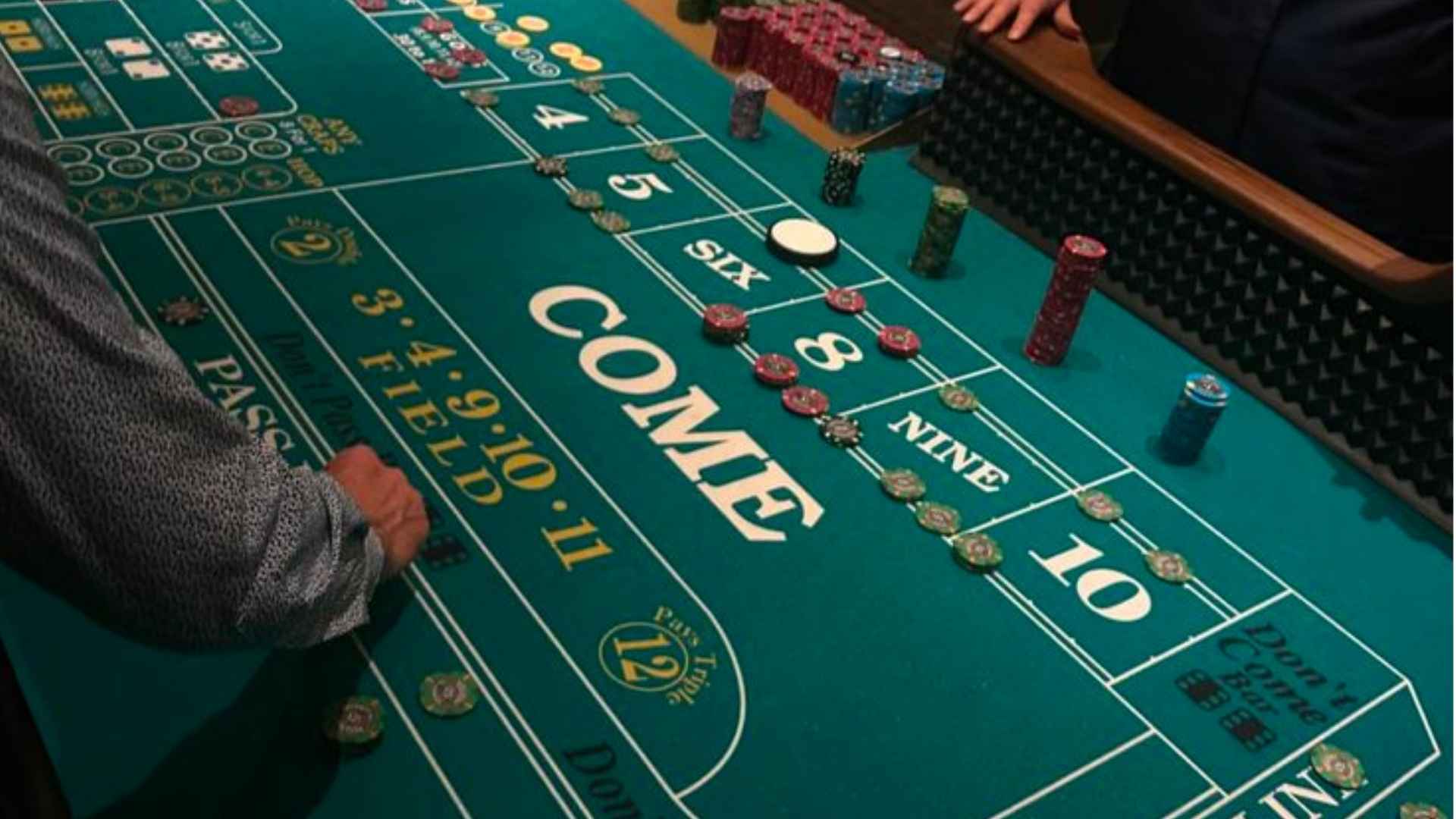
In a world increasingly dominated by digital screens and virtual interactions, many people are seeking more authentic ways to connect with friends and family. Physical tabletop games have emerged as a powerful medium for nurturing deep social connections and creating lasting memories. Gathering around a real table forces players to engage in face-to-face communication, which significantly strengthens interpersonal relationships.
The Psychological Power of Shared Experiences
When individuals sit down together to play a board game, they participate in a shared narrative that demands collective attention. This focused engagement releases stress and helps build mutual trust through shared triumphs and setbacks. Over time, these recurring social rituals create strong emotional anchors that support meaningful lifelong connections.
Furthermore, navigating the unique challenges presented by game mechanics often mirrors real-world social dynamics. Players learn to read subtle physical cues, understand different perspectives, and practice patience with one another. These subtle interactions lay a solid foundation for robust, healthy relationships outside the gaming circle.
Top Cooperative Challenges That Foster Genuine Teamwork
Cooperative tabletop designs are uniquely effective at building strong group cohesion because they eliminate direct player-versus-player conflict. Instead of competing to defeat each other, participants must pool their unique talents to defeat a common automated game system. This shared mission encourages constant communication, tactical compromise, and collective problem-solving.
While working together to solve complex puzzles, players often experience a state of group flow that strengthens their collective confidence. For a different type of engaging digital recreation after game night, checking out an official M88 Sport login can provide a change of pace. However, the organic communication generated by physical cooperative games remains unmatched for building collaborative skills and deep trust.
Strategic Duels and the Art of Healthy Rivalry
While collaboration is excellent, carefully designed competitive games can also serve as fantastic tools for deepening personal connections. Lighthearted strategic rivalries allow friends to challenge each other intellectually within a safe, structured framework. The keys to success in these settings are mutual respect and a shared appreciation for clever planning.
Engaging in tactical duels helps participants learn how to manage competitive tension without letting things become personal. Celebrating an opponent's brilliant move or laughing off a sudden defeat builds emotional maturity and deepens mutual respect. Ultimately, a healthy competitive environment brings people closer by highlighting their shared passion for analytical thinking.
Curating a Diverse Tabletop Collection for Social Connection
Building a well-rounded home library involves selecting games that cater to various group sizes, moods, and experience levels. It is highly beneficial to include a balanced mix of fast-paced party choices, intense cooperative campaigns, and deep economic strategy games. Having the right option available ensures that every guest feels welcome and included during gatherings.
Investing in high-quality game editions with tactile, durable components can significantly elevate the overall social atmosphere. Clear boards and beautifully crafted pieces make the experience far more immersive and memorable for everyone involved. A thoughtful collection guarantees that your next weekend gathering will be filled with genuine laughter and strong bonds.